

 Plan your trip
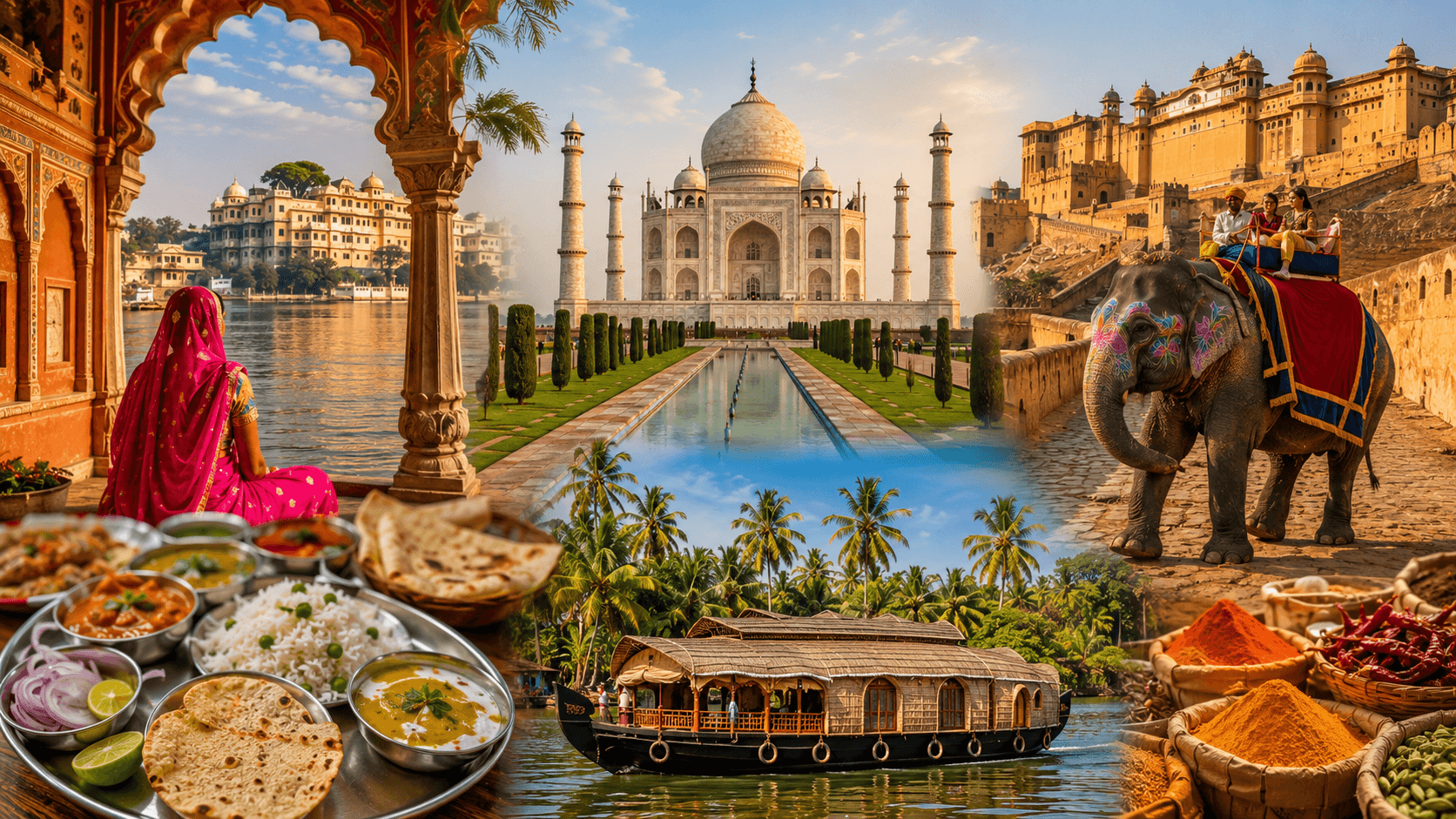
India is one of the world’s most fascinating travel destinations, offering an extraordinary blend of ancient traditions, vibrant cities, breathtaking landscapes, diverse cuisines, and unforgettable cultural experiences. From the snow-covered Himalayas in the north to the tropical beaches of the south, every region has its own unique character.
Planning ahead can make your journey smoother, safer, and more enjoyable. This comprehensive guide covers everything you need to know before visiting India for the first time.
1. Check Visa Requirements
Most international travelers require a visa to enter India. Depending on your nationality, you may be eligible to apply for an e-Visa for tourism, business, or medical travel.
Before booking your flights:
- Verify visa eligibility.
- Ensure your passport is valid for at least six months beyond your arrival date.
- Keep digital and printed copies of important travel documents.
2. Choose the Best Time to Visit
India’s climate varies greatly by region.
October to March
The most popular travel season with pleasant weather across much of the country.
Ideal for:
- Delhi
- Rajasthan
- Agra
- Kerala
- Goa
- Varanasi
April to June
Best for hill stations such as:
- Shimla
- Manali
- Darjeeling
- Munnar
- Ooty
July to September
Monsoon transforms many regions into lush green landscapes.
Excellent for:
- Kerala
- Western Ghats
- Meghalaya
- Valley of Flowers
3. Pack Smart
India’s weather can change dramatically between destinations.
Essentials include:
- Comfortable walking shoes
- Lightweight clothing
- Modest attire for temples
- Sunscreen
- Sunglasses
- Hat
- Reusable water bottle
- Portable charger
- Universal travel adapter
- Basic medications
- Rain jacket (during monsoon)
4. Understand Local Culture
India is culturally diverse and deeply rooted in tradition.
Helpful etiquette:
- Remove shoes before entering temples and many homes.
- Dress respectfully at religious sites.
- Ask permission before photographing people.
- Use your right hand when giving or receiving items.
- Respect local customs and festivals.
5. Transportation Options
Traveling around India is easier than many first-time visitors expect.
Popular choices include:
- Domestic flights
- Indian Railways
- Metro systems
- Ride-hailing apps
- Auto-rickshaws
- Taxis
- Rental cars with drivers
Booking long-distance trains in advance is highly recommended.
6. Food and Drinking Water
Indian cuisine is incredibly diverse.
Tips:
- Eat freshly cooked food.
- Drink bottled or filtered water.
- Try regional specialties.
- Choose busy restaurants with good hygiene.
- Introduce spicy foods gradually if you’re not accustomed to them.
7. Currency and Payments
The Indian Rupee (INR) is the official currency.
Most cities accept:
- Credit cards
- Debit cards
- Mobile payments
- Digital wallets
However, carrying some cash is useful for:
- Small shops
- Street markets
- Local transport
- Rural areas
8. Internet and Connectivity
India offers affordable mobile data and widespread internet access.
Visitors can:
- Purchase a local SIM card
- Use international roaming
- Connect via hotel Wi-Fi
- Find public Wi-Fi in many airports and cafés
9. Health and Safety
Simple precautions can help ensure a comfortable trip.
Recommendations:
- Stay hydrated.
- Use sunscreen.
- Carry hand sanitizer.
- Wear mosquito repellent where needed.
- Purchase comprehensive travel insurance.
- Keep emergency contact numbers handy.
10. Shopping Tips
India is famous for:
- Handicrafts
- Textiles
- Jewelry
- Tea
- Spices
- Leather goods
- Handmade souvenirs
Shopping advice:
- Compare prices.
- Buy from reputable sellers.
- Support local artisans.
- Keep receipts for valuable purchases.
11. Festivals Worth Experiencing
If your travel dates align, don’t miss:
- Diwali
- Holi
- Durga Puja
- Navratri
- Onam
- Pushkar Camel Fair
- Hornbill Festival
These celebrations provide unforgettable cultural experiences.
12. Language
India recognizes many official languages.
English is widely spoken in:
- Hotels
- Airports
- Tourist attractions
- Restaurants
- Business districts
Learning a few local greetings is appreciated by residents.
13. Respect Religious Sites
When visiting temples, mosques, monasteries, churches, or gurudwaras:
- Dress modestly.
- Remove footwear if required.
- Follow photography rules.
- Speak quietly.
- Observe local customs.
14. Plan Your Itinerary Wisely
India is much larger than many travelers expect.
Instead of trying to see everything, focus on one or two regions during each trip.
Popular routes include:
Golden Triangle
Delhi – Agra – Jaipur
Kerala Circuit
Kochi – Munnar – Thekkady – Alleppey
Rajasthan Tour
Jaipur – Jodhpur – Udaipur – Jaisalmer
Himalayan Adventure
Shimla – Manali – Dharamshala
15. Don’t Rush the Experience
India rewards slow travel.
Spend time:
- Exploring local markets
- Enjoying regional cuisine
- Watching sunsets
- Talking with locals
- Visiting small villages
- Experiencing traditional performances
Some of your most memorable moments may come from unplanned discoveries.
Essential Travel Checklist
Before leaving home, remember to:
- ✔ Passport
- ✔ Visa
- ✔ Travel insurance
- ✔ Flight tickets
- ✔ Hotel reservations
- ✔ Emergency contacts
- ✔ Currency or payment cards
- ✔ Prescription medications
- ✔ Universal adapter
- ✔ Camera
- ✔ Comfortable clothing
Frequently Asked Questions
Is India safe for tourists?
Millions of travelers visit India each year. Like any destination, staying aware of your surroundings, using reputable transportation, and following local advice contribute to a safe and enjoyable trip.
How many days should I spend in India?
A first visit of 10–14 days allows you to experience one or two regions comfortably. Longer trips provide the opportunity to explore the country’s remarkable diversity.
Is India expensive?
India offers travel options for every budget, from affordable guesthouses and local eateries to luxury hotels, heritage palaces, and exclusive resorts.
Can I travel independently?
Yes. India has a well-developed transportation network, making independent travel possible for many visitors. Guided tours can also be a convenient option for those who prefer organized itineraries.
Final Thoughts
India is a destination unlike any other, where ancient traditions meet modern life and every journey reveals something new. Whether you’re admiring iconic monuments, exploring colorful markets, relaxing on tropical beaches, trekking through the Himalayas, or savoring regional cuisine, the country offers experiences that stay with you long after your trip ends.
With thoughtful planning, an open mind, and a spirit of curiosity, your visit to India can become one of the most rewarding travel adventures you’ll ever have.


Comments are closed